
Home » Industrien » Lebensmittel und Hygiene
Food & Hygiene
The process of belt selection is determined by accounting for several variables and expectations such as friction, load, and product as well as understanding and anticipating the needs of the customer using the belt.
These criteria have far-reaching consequences for food processors, where modern auditing systems require producers to equip themselves with the most hygienic and optimal designs for the plant. Hygiene is always the primary concern. Volta thermoplastic belting offers full compliance with these requirements. Hygienic design reduces the chance of costly product recalls while reducing the daily costs of ownership due to the savings of cleaning and maintenance.
Industries
Water reduced used for a homogenous belt was
Ainia Report
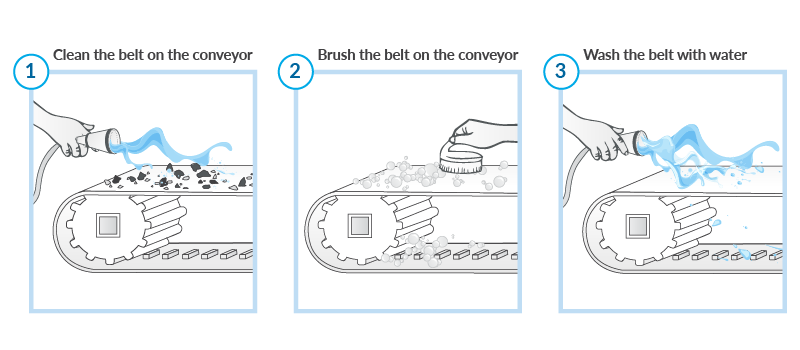
The report shows that the cleaning time and the volume of water used for a homogenous belt was reduced by over 50% and the cleaning processes was reduced from 34 min / m2 to 198 L / m2 for cleaning modular belts to 17 min / m2 to 97 L / m2 for the homogeneous belts.
Mr. van de Deijl, Interfish, IJmuiden
Are you looking for a solution?
Learn from our experience

A hygienic belt is defined by its construction, not by a certificate: a homogeneous extrusion leaves no layers, joints or hinge pins where bacteria can survive a washdown. This guide covers the standards auditors check, how belt materials age under daily cleaning, and what positive drive changes.
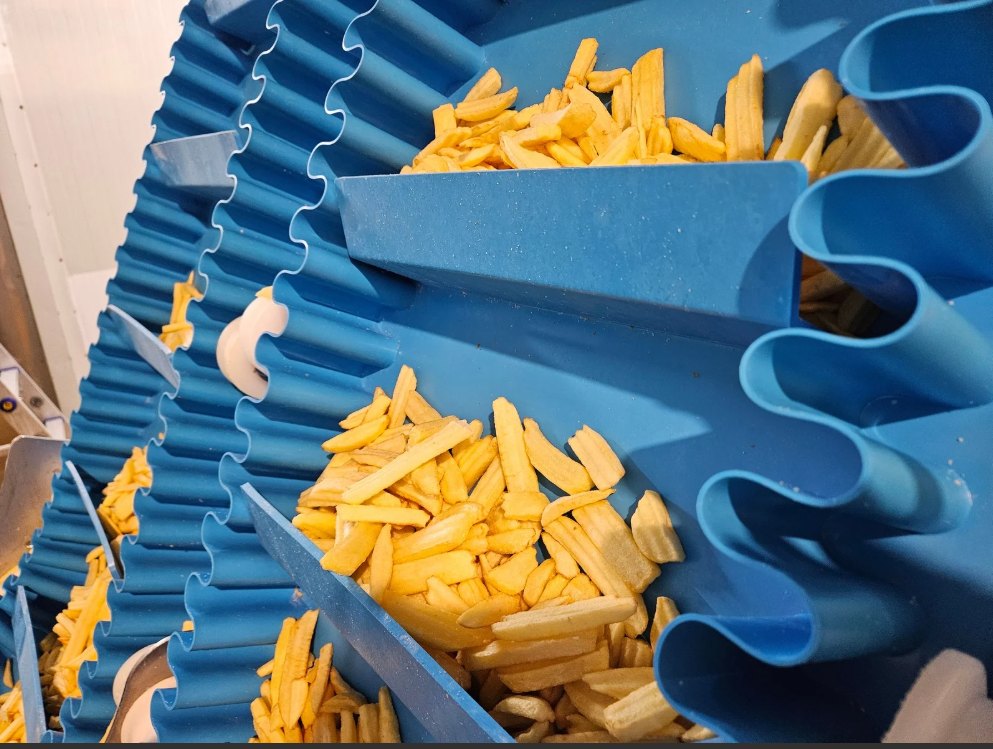
Volta’s positive-drive bucket elevator belts replace riveted buckets with integral scoop cleats and welded sidewalls — easier cleaning, less downtime.

Building the Future – For more than 60 years, Volta Belting Technology has been a global leader in homogeneous belting solutions for the food industry.
For more than 60 years, Volta Belting has been setting the standard for hygienic thermoplastic conveyor belting.
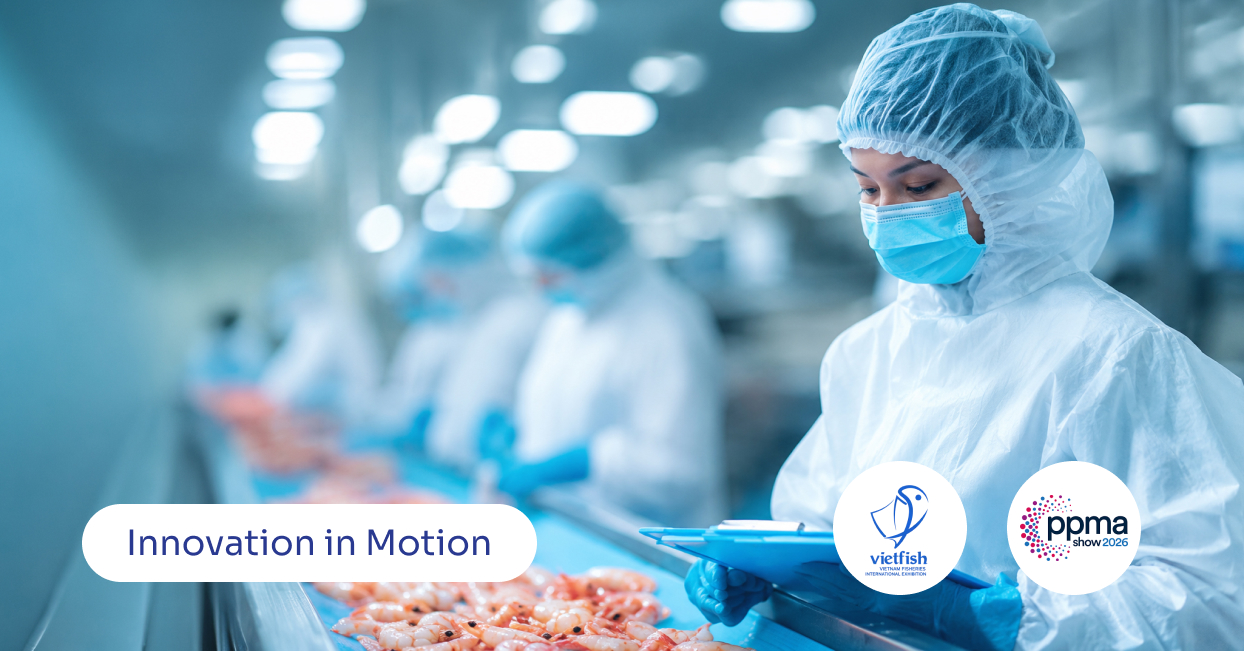
Volta Belting is bringing its latest innovations to two of the food industry’s most important exhibitions